

Best Keto Diet Supplements: What Works and What Doesn’t
meta_description: A phase-based guide to keto supplements that actually work. Find out what to take during induction, adaptation, and maintenance, with budget tiers included. Fast Burn Extreme Review 2026: Real Results, Ingredients…
Best Keto Diet Supplements: What Works and What Doesn’t
Affiliate disclosure: This article contains affiliate links. If you purchase through them, we may earn a small commission at no extra cost to you. We only recommend products we’ve researched and believe may be useful. Best Blood Sugar Supplements in 2026: Evidence-Based Pick…
Most keto supplement guides hand you a generic shopping list and call it done. The problem is that your body’s needs at week one are almost nothing like your needs at week eight. What works during induction can actually be redundant, or even counterproductive, by the time you’re fully fat-adapted. NuviaLab Keto vs Competitor Keto Supplement Review: Which
This guide is built around three distinct phases: induction (weeks 1-3), adaptation (weeks 4-8), and maintenance (week 9+). You’ll see exactly which keto supplements apply to each window, along with a budget tier breakdown so you’re not overspending on things you don’t need yet. Nuvialab Keto Real Customer Results Before and After
Phase 1: What Do Keto Supplements Actually Do During Induction?

The first 1-3 weeks of keto are when your body stops relying on glucose and begins shifting to fat as its primary fuel source. This transition is rarely smooth without support.
During induction, insulin drops sharply. Lower insulin signals the kidneys to excrete more sodium, which drags potassium and magnesium out with it. That’s the main cause of “keto flu” symptoms including headaches, muscle cramps, fatigue, and brain fog supplements. A 2018 review published in PeerJ (PMC5858534) confirmed that electrolyte supplementation and MCT oil are the two categories with the most evidence for reducing keto-induction symptoms.
Priority keto supplements during induction:
- Sodium: 2,000-4,000mg daily. Pink Himalayan salt in water works fine.
- Potassium: 1,000-3,500mg daily. Supplement or cream of tartar if food sources fall short.
- Magnesium glycinate: 300-400mg at night. Glycinate form has up to 80% bioavailability versus 4% for oxide forms.
- MCT oil: Start with 1 teaspoon and work up to 1-2 tablespoons daily. It raises beta-hydroxybutyrate (BHB) levels and can blunt induction symptoms.
Skip during induction:
- Exogenous ketones (expensive, and electrolytes do the same job better)
- Collagen (useful later, but not a priority now)
- Pre-workout blends (most contain carb fillers that aren’t declared clearly)
Budget Tier, Induction Phase
Drugstore tier ($15-30/month): Magnesium glycinate (any generic 400mg capsule), Morton Lite Salt (potassium + sodium blend), and a basic MCT softgel.
Premium tier ($50-80/month): A dedicated MCT powder product for easier dosing, like Cappuccino MCT, which combines C8/C10 MCTs with a palatable format you can take in the morning without GI distress. It’s noticeably easier to ramp up MCT intake this way than with straight oil.
Phase 2: Which Keto Supplements Support Fat Adaptation (Weeks 4-8)?
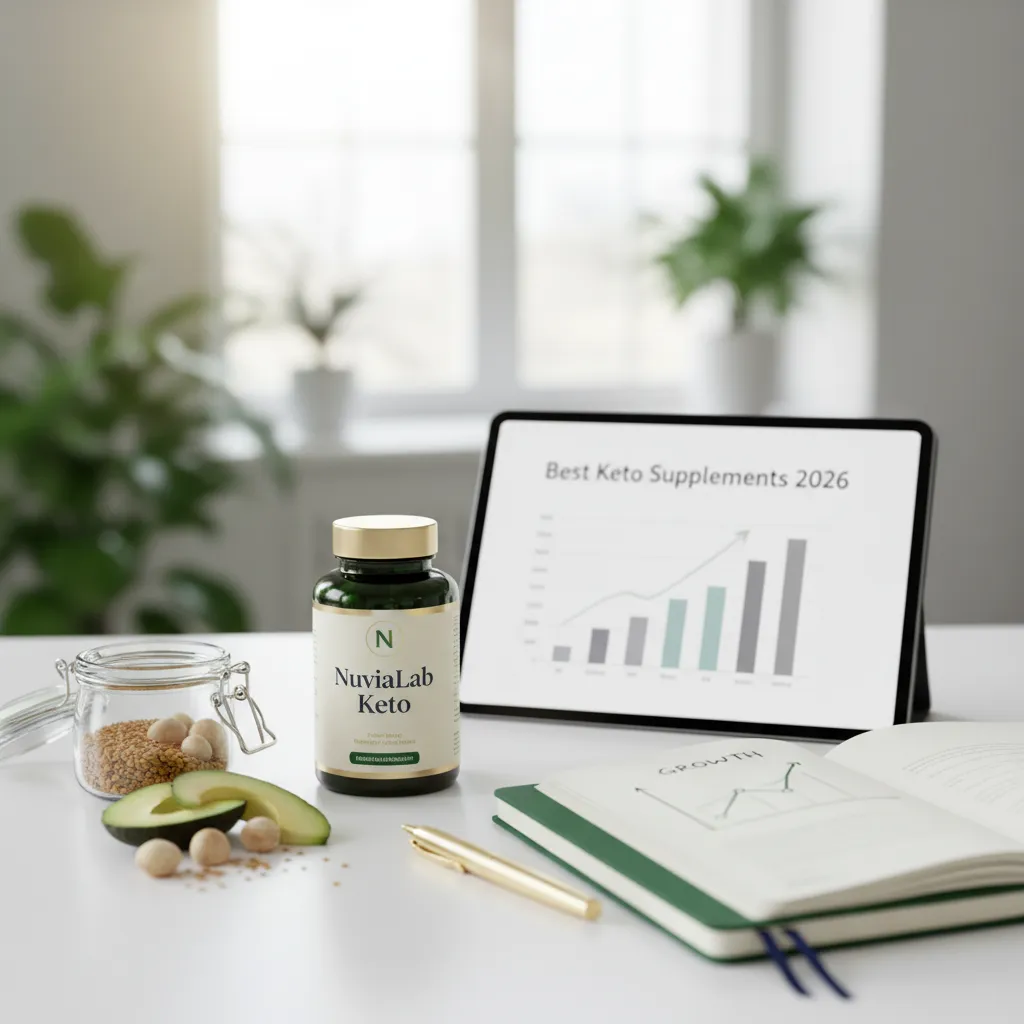
By week four, your body is learning to run on fat more efficiently. This is the adaptation phase, and it’s also where many people plateau or hit unexpected fatigue. The supplement needs here shift from “damage control” to “optimization.”
Your electrolyte needs start to stabilize, but other gaps open up. A ketogenic diet tends to displace foods that supply B vitamins (especially B1 and B5), selenium, and zinc. Fish and eggs help, but many people still run short.
Priority keto supplements during adaptation:
- Electrolytes (maintenance dose): Drop to the lower end of induction ranges unless you exercise heavily.
- Omega-3 fatty acids: 2-3g EPA/DHA daily. A ketogenic diet is high in fat but not automatically high in anti-inflammatory omega-3s. A 2019 meta-analysis in Nutrients found omega-3 supplementation consistently reduced triglycerides in low-carb dieters.
- Vitamin D3 + K2: If you’re not getting daily sun, 2,000-5,000 IU D3 with 100mcg K2 is reasonable. K2 is especially relevant when fat intake is high, as it directs calcium away from arterial walls.
- creatine benefits monohydrate: Optional but useful if you’re strength training. Keto can temporarily reduce glycogen stores, and creatine partially compensates for lower explosive power during adaptation.
This is also the right time to explore a comprehensive keto support formula if you’d rather consolidate. NuviaLab Keto combines several adaptation-phase ingredients including green tea extract, chromium, and cayenne, which may support fat boost your metabolism naturally during this window. It’s not a replacement for electrolytes or omega-3s, but it can reduce the number of separate bottles you’re managing.
For more on natural fat-burning support that complements this phase, see our overview at /best-natural-fat-burners-that-actually-work-in-2026/.
Budget Tier, Adaptation Phase
Drugstore tier ($25-45/month): Generic fish oil (Nordic Naturals or equivalent), NOW Foods Vitamin D3 + K2, generic creatine monohydrate. (source: Consumer Financial Protection Bureau)
Premium tier ($70-100/month): High-concentration omega-3 concentrate (triglyceride form), a quality D3/K2 blend with cofactors, NuviaLab Keto for multi-ingredient convenience. (source: SEC investor publications)
Phase 3: What Do You Actually Need for Long-Term Keto Maintenance?
Week nine onward is where keto becomes a lifestyle rather than an experiment. Most people are fat-adapted by now, energy is stable, and the supplement stack can slim down considerably.
The biggest gap in maintenance isn’t ketones or electrolytes. It’s micronutrients that keto-friendly foods don’t cover well: iodine (dairy and iodized salt are often reduced on strict keto), magnesium (still, because food sources are mostly high-carb), and collagen if joint health or skin quality matters to you.
Priority keto supplements during maintenance:
- Magnesium glycinate: Stick with it. Most people eating a Western diet were already deficient before going keto, and restriction doesn’t help.
- Collagen peptides: 10-15g daily if joint recovery or skin elasticity is a goal. Hydrolyzed collagen is the only form that has clinical absorption data. We covered the evidence in detail at /do-collagen-supplements-really-work-complete-review/.
- MCT oil or powder: Lower dose than induction. 1 tablespoon in coffee maintains mild ketogenic support without needing to count macros obsessively.
- Iodine: If you’ve removed most dairy and use non-iodized salt, add a kelp supplement or small iodine dose (~150mcg daily).
What most people can drop by maintenance:
- Exogenous ketones (your own fat adaptation makes them redundant)
- High-dose B-complex (if diet quality has improved)
- Creatine (unless actively training for performance)
Budget Tier, Maintenance Phase
Drugstore tier ($20-35/month): Magnesium glycinate, kelp iodine, and MCT oil by the bottle.
Premium tier ($55-75/month): Collagen peptides (Vital Proteins or similar), a quality MCT powder, and continued omega-3 supplementation.
Do Exogenous Ketones Actually Work, or Are They Overhyped?
Exogenous ketones are the most marketed and most misunderstood category of keto supplements. They temporarily raise blood ketone levels. That part is real.
The misunderstanding is what that means. Higher blood ketones from a supplement don’t put you in nutritional ketosis. Nutritional ketosis is a metabolic state that requires dietary fat dominance, not just detectable BHB in the blood. The two are different. A 2018 narrative review in PeerJ notes that exogenous ketones can help reduce induction symptoms and may briefly suppress appetite by lowering ghrelin, but they don’t accelerate fat adaptation in a sustained way.
Where exogenous ketones are genuinely useful: as a bridging tool in the first few days of induction if you’re experiencing severe brain fog, or as a pre-workout energy source when training fasted on keto. Outside of those contexts, the money is better spent on electrolytes and MCT oil.
If you’re interested in a thermogenic angle that complements keto without relying on exogenous ketones, Fast Burn Extreme uses a multi-ingredient formula (including bitter orange extract and vitamin B6) that’s worth considering as an addition during adaptation if your training output is a priority.
The Timing and Stacking Protocol: A Practical Daily Schedule

The question isn’t just which keto supplements to take. It’s when. Poorly timed supplementation is one of the most common reasons people report that “keto supplements didn’t work.”
Morning (with or before first meal):
– MCT oil or powder (build ketone availability for the day)
– Omega-3s with fat-containing food (absorption is fat-dependent)
– Vitamin D3 + K2 (fat-soluble, always take with a meal)
Midday (if active):
– Electrolyte drink or salt in water (peak activity window)
– Creatine monohydrate if training in the afternoon (timing is flexible but consistent is key)
Evening:
– Magnesium glycinate (promotes sleep quality and muscle recovery)
– Collagen peptides (maintenance phase only; best taken before bed for overnight tissue repair)
What not to stack:
– Don’t take calcium and magnesium together at high doses. They compete for absorption.
– Don’t take omega-3s on an empty stomach if you’re prone to reflux.
– Don’t rely on exogenous ketones as an evening supplement. The energy spike will disrupt sleep.
For a related breakdown on how NAD+ precursors and anti-aging supplements interact with metabolic protocols, see /nmn-vs-nr-which-anti-aging-supplement-actually-works/.
FAQ: Keto Supplements, Answered Directly
Do I need keto supplements to enter ketosis?
No, you don’t. Restricting carbs to under 20-50g per day is what triggers ketosis, not any pill or powder. Keto supplements like electrolytes and magnesium can significantly reduce induction symptoms and speed up the transition, but they’re support tools, not prerequisites.
When should I take electrolytes on keto?
Electrolytes are most critical during the first three weeks. Your kidneys excrete more sodium and potassium when insulin drops. Aim for 2,000-4,000mg sodium, 1,000-3,500mg potassium, and 300-500mg magnesium daily during induction. After that, needs stabilize and you can scale back unless you’re exercising heavily or sweating a lot.
Are exogenous ketones worth the money?
It depends on what you’re trying to do. They temporarily raise blood ketone levels and can reduce keto flu in the first few days. They won’t create sustained nutritional ketosis on their own, and by week four of adaptation, most people find them redundant. MCT oil delivers more value at lower cost for most people on a budget.
What’s the difference between MCT oil and exogenous ketones?
MCT oil is converted into ketones by your liver after ingestion, which means it supports your body’s own ketone production. Exogenous ketones deliver ready-made BHB directly into your bloodstream for a temporary spike. MCT oil builds your fat-adaptation capacity over time. Exogenous ketones provide a quick, short-lived boost. For long-term keto use, MCT oil wins on cost and sustained benefit.
Can I take keto supplements without following the keto diet?
You can. MCT oil has standalone benefits for cognition and energy. Magnesium is useful regardless of diet. But most keto-specific products are formulated to work within a carb-restricted context. Exogenous ketones in particular deliver minimal lasting benefit if your diet is still high in carbohydrates.
What keto supplements are safe for long-term use?
Magnesium glycinate, omega-3 fatty acids, vitamin D3 with K2, and MCT oil are all generally safe for long-term use at recommended doses. Collagen peptides also have a strong safety record. Always check with a healthcare provider before continuing any supplement beyond three months, especially if you have cardiovascular, kidney, or hormonal conditions.
The Verdict: Build Your Stack by Phase, Not by Hype
There’s no single “best keto supplement.” There’s the right supplement for the right phase. Electrolytes and MCT oil are the foundation during induction. Omega-3s, vitamin D, and a formula like NuviaLab Keto make more sense during adaptation. By maintenance, your stack should be lean: magnesium, MCT, collagen, and a few targeted micronutrients.
Don’t let marketing pressure you into buying the most expensive stack from day one. Start with the drugstore tier, confirm it works for your body, and upgrade selectively. Most people who claim keto supplements “don’t work” skipped the electrolytes in week one and spent their budget on exogenous ketones they didn’t need.
Medical disclaimer: This article is for informational purposes only and does not constitute medical advice. Consult a qualified healthcare provider before starting any supplementation protocol, especially if you are pregnant, nursing, managing a chronic health condition, or taking prescription medications. Individual results vary.

Dr. Marcus Reid is a health researcher with over 12 years of experience in nutritional science and dietary supplementation. He holds a PhD in Nutritional Biochemistry and has published peer-reviewed studies on micronutrient bioavailability. Dr. Reid specializes in evidence-based supplement analysis and translating complex research into actionable health guidance.
Reviewed by our editorial team
Dr. Sarah Chen, RD, CNS
Medical Reviewer — Board Certified Nutrition Specialist
All supplement content is reviewed for medical accuracy, appropriate dosage recommendations, and safety by our registered nutritionist. Meet our team.