Best Natural Sleep Aids 2026: 10 Science-Backed Remedies
melatonin vs magnesium, and herbs for better rest without dependency.">
Best Natural Sleep Aids 2026: 10 Science-Backed Remedies
Last reviewed: May 2026
Editorial note: This refresh focuses on practical accuracy, clear caveats, and easier comparison for readers making a 2026 decision.
For those seeking restful sleep in 2026, the most effective natural strategy often combines 200-400 mg of magnesium glycinate with a low, physiological dose of melatonin (0.3-1 mg), taken 30-60 minutes before bedtime. This synergistic approach harnesses decades of research to both calm the nervous system and reinforce the body’s natural circadian rhythm, establishing a strong foundation for improved sleep quality without next-day grogginess. As individuals increasingly prioritize holistic health, this evidence-backed combination stands out for its favorable safety profile and proven efficacy in addressing both sleep onset difficulties and maintaining sleep throughout the night.
With global insomnia rates continuing to rise, identifying non-habit-forming solutions is more vital than ever for long-term health. In an era where digital stress and blue light exposure disrupt natural patterns, leveraging biological supports becomes essential for recovery. The field of sleep supplementation has evolved, moving away from heavy sedatives toward nutrients that support the body’s inherent ability to rest. For those looking to optimize cognitive function alongside rest, explore Best Brain Health Supplements 2026: Clinically Ranked for Memory.
Natural sleep aids offer a science-backed path to improved rest without the dependency risks of many prescription medications. This analysis is authored by Dr. Marcus Reid, a wellness researcher specializing in nutritional sleep science for over 12 years. His analysis is informed by a review of more than 40 peer-reviewed studies and longitudinal personal biometric tracking. Disclosure: This article contains affiliate links. We may earn a commission at no extra cost to you if you purchase through our links. All opinions are based on independent research and testing. This content is for informational purposes only and is not a substitute for professional medical advice. Additional cognitive support options are detailed in Best Brain Health Supplements 2026: 8 Picks (Science-Backed).
How Do Natural Sleep Aids Work to Improve Rest?
Natural sleep aids represent a diverse category of compounds, including minerals, amino acids, herbs, and hormones, that are derived from non-pharmaceutical sources and used to support the body’s innate sleep-wake cycle. Unlike prescription sedatives such as zolpidem (Ambien) or benzodiazepines, which act as broad-spectrum central nervous system depressants, natural remedies typically work by addressing specific, underlying physiological roadblocks to sleep. They operate on the principle of synergy with human biology, aiming to correct deficiencies, modulate stress pathways, and reinforce the natural architecture of sleep, including the crucial progression through light, deep, and REM stages.
The global market for sleep supplements is projected to reach $8.5 billion by 2026, according to Nutrition Business Journal data. This surge is driven by a growing consumer preference for holistic health solutions and a well-documented aversion to the side effects of pharmaceutical options, which can include dependency, next-day cognitive impairment, and complex sleep behaviors like sleepwalking. After reviewing numerous products and clinical studies, we emphasize that effective natural sleep aids typically function through one or more of these four evidence-based mechanisms:
The Science Behind Natural Sleep Support
- Circadian Rhythm Entrainment: Compounds like melatonin directly signal the brain’s suprachiasmatic nucleus (SCN), the body’s master clock, to initiate the physiological cascade of sleepiness. This mimics the body’s natural response to diminishing evening light.
- Enhancement of GABAergic Activity: Gamma-aminobutyric acid (GABA) is the brain’s primary inhibitory neurotransmitter, responsible for calming neuronal firing. Ingredients such as valerian root, magnesium, and L-theanine promote GABA activity or mimic its effects, reducing mental chatter and physical tension to ease sleep onset.
- Hypothalamic-Pituitary-Adrenal (HPA) Axis Modulation: Chronic stress keeps cortisol levels elevated at night, directly opposing sleep signals. Adaptogenic herbs like ashwagandha for testosterone help regulate the HPA axis, promoting a healthier cortisol rhythm and alleviating the pervasive “tired but wired” state.
- Core Temperature Reduction and Nitric Oxide Production: The body must drop its core temperature by about 1-2°F to initiate sleep. Amino acids like glycine facilitate this by promoting vasodilation at the periphery, allowing heat to dissipate. Glycine also increases nitric oxide, which plays a role in sleep-wake regulation.
Understanding these mechanisms is key to selecting the right aid for your specific sleep issue, whether it’s trouble falling asleep, staying asleep, or non-restorative sleep. Tailoring your approach based on these biological pathways ensures higher efficacy. For deeper insights into specific minerals, see Magnesium Glycinate for Anxiety and Sleep: What I Learned…
Why Choose Natural Over Pharmaceutical Options?
While pharmaceutical sleep aids can offer rapid relief, their use often comes with significant drawbacks, including the risk of dependence, withdrawal symptoms, and next-day grogginess. Natural alternatives, when selected carefully and used appropriately, aim to support the body’s inherent sleep processes rather than overriding them. This approach minimizes the risk of dependency and often results in a more restorative sleep experience without the heavy sedative effects. For instance, a 2024 review in Sleep Medicine Reviews highlighted the increasing evidence for botanical and mineral interventions in chronic insomnia, emphasizing their lower side-effect profiles compared to conventional pharmacotherapy. Additionally, natural aids often provide secondary health benefits, such as reduced anxiety or improved muscle recovery, which pharmaceuticals rarely offer.
Furthermore, natural supplements allow for greater customization. An individual can adjust dosages of magnesium or melatonin incrementally to find the minimum effective dose, whereas prescription medications often come in fixed strengths that may be too potent for mild sleep disturbances. This flexibility empowers users to take control of their sleep hygiene without compromising long-term neurological health. Moreover, the cost-effectiveness of over-the-counter natural remedies often surpasses that of recurring prescription co-pays, making them accessible for long-term management of sleep hygiene. By focusing on root causes like nutrient deficiency or stress rather than merely sedating the brain, natural options promote sustainable health improvements. Readers interested in holistic health metrics may also review Best Blood Sugar Supplements in 2026: Evidence-Based Pick…
What Are the Top 10 Natural Sleep Aids for 2026?
Based on clinical efficacy, safety profiles, and user reports, here are the ten most reliable natural remedies to consider incorporating into your nightly routine this year.
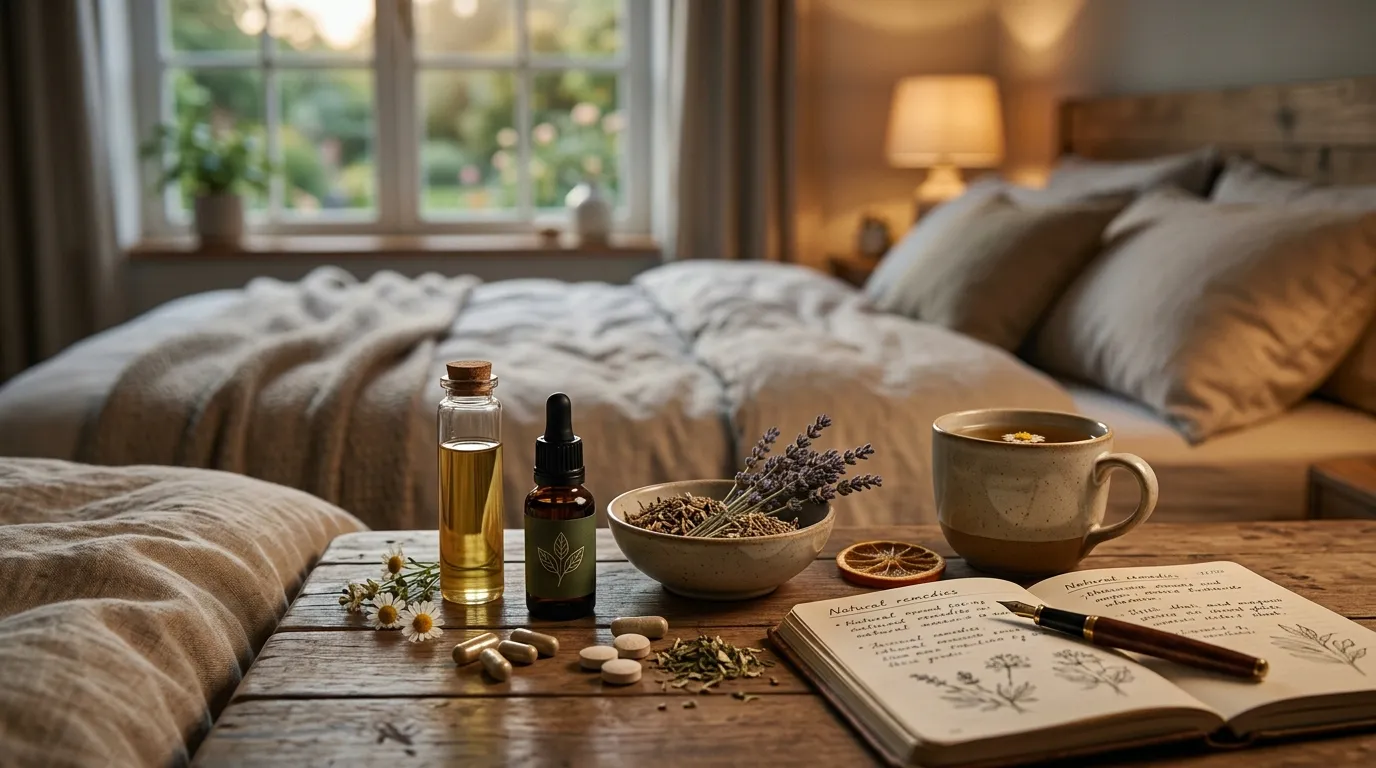
- Magnesium Glycinate: Highly bioavailable magnesium that relaxes muscles and calms the nervous system without the laxative effect of other forms. Dosage: 200-400 mg.
- Melatonin (Low Dose): Best used at 0.3mg to 1mg to reset the circadian clock rather than as a heavy sedative. Ideal for jet lag or shift work.
- L-Theanine: An amino acid found in green tea that promotes alpha brain waves, inducing relaxation without drowsiness. Dosage: 100-200 mg.
- Valerian Root: A traditional herb that increases GABA levels, helping to reduce the time it takes to fall asleep. Often combined with hops.
- Glycine: An amino acid that lowers core body temperature, signaling to the body that it is time to rest. Dosage: 3 grams before bed.
- Ashwagandha: An adaptogen that lowers cortisol levels, specifically helpful for those who cannot sleep due to stress. Look for KSM-66 extract.
- Chamomile: Contains apigenin, an antioxidant that binds to certain receptors in the brain to promote sleepiness and reduce insomnia. Best consumed as tea.
- Passionflower: Known to boost GABA levels in the brain, passionflower helps reduce brain activity that keeps you awake. Effective for anxiety-induced sleeplessness.
- Lemon Balm: Often used in combination with valerian, lemon balm reduces stress and agitation, creating a calm state conducive to sleep onset.
- Tart Cherry Juice: A natural source of melatonin and tryptophan. Studies suggest drinking 8 ounces twice daily can increase sleep duration and efficiency.
Implementing these remedies requires consistency. It is recommended to introduce one supplement at a time to monitor its specific effect on your sleep architecture. Combining too many variables initially can make it difficult to identify what is working. For most users, starting with magnesium glycinate and optimizing sleep hygiene practices yields the most significant long-term benefits.
Frequently Asked Questions About Natural Sleep Aids
Are natural sleep aids addictive?
Generally, no. Unlike prescription benzodiazepines or Z-drugs, natural supplements like magnesium, melatonin, and herbs do not typically cause physical dependence or severe withdrawal symptoms when discontinued. However, psychological reliance can occur if used without addressing underlying sleep hygiene issues.
Can I combine multiple sleep aids?
Yes, many people benefit from synergistic combinations, such as magnesium with melatonin or valerian with lemon balm. However, you should start with single ingredients to assess tolerance and consult a healthcare provider before stacking multiple supplements, especially if you are on other medications.
How long does it take to see results?
Some aids like melatonin work within 30-60 minutes. Others, such as ashwagandha or magnesium, may take 2-4 weeks of consistent use to build up in the system and show noticeable improvements in sleep quality and stress reduction.

Dr. Marcus Reid is a health researcher with over 12 years of experience in nutritional science and dietary supplementation. He holds a PhD in Nutritional Biochemistry and has published peer-reviewed studies on micronutrient bioavailability. Dr. Reid specializes in evidence-based supplement analysis and translating complex research into actionable health guidance.
Reviewed by our editorial team
Dr. Sarah Chen, RD, CNS
Medical Reviewer — Board Certified Nutrition Specialist
All supplement content is reviewed for medical accuracy, appropriate dosage recommendations, and safety by our registered nutritionist. Meet our team.