
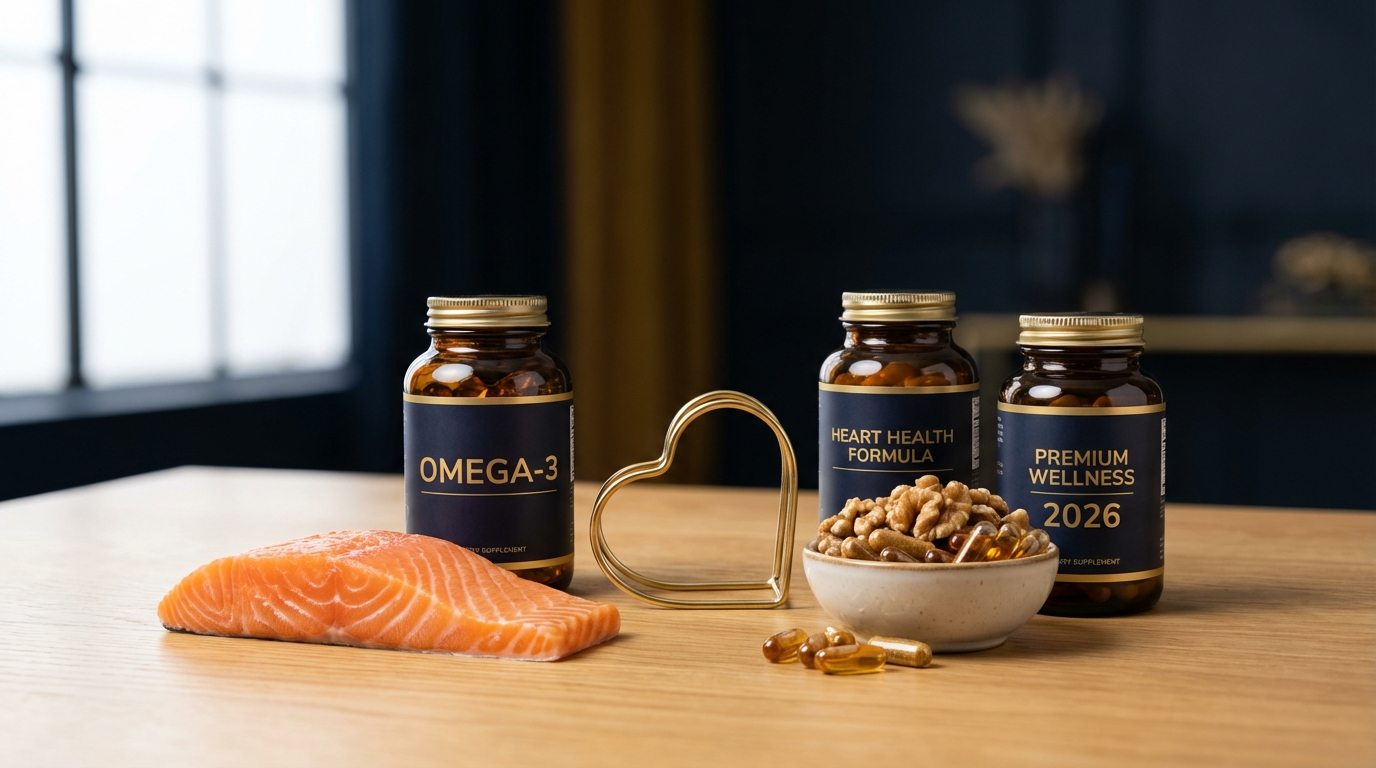
Best Omega-3 Supplements for Heart Health 2026
This article contains affiliate links. We may earn a commission at no extra cost to you.
Best Omega-3 Supplements for Heart Health 2026
The best omega-3 supplements for heart health in 2026 are those delivering at least 1,000 mg of combined EPA and DHA per serving in triglyceride form, third-party tested for purity, and backed by clinical evidence showing reductions in triglycerides, blood pressure, and cardiovascular event risk. After analyzing the latest clinical data and product formulations, we’ve found that Nordic Naturals Ultimate Omega, Carlson Elite Omega-3, and Viva Naturals Triple Strength are our top picks — they all hit the gold-standard criteria cardiologists recommend.
Why Heart Disease Still Demands Your Attention in 2026
Cardiovascular disease remains the world’s leading cause of death, despite decades of awareness campaigns. The World Health Organization estimates that heart disease kills around 17.9 million people every year — that’s a staggering 32% of all global deaths. In the United States alone, the Centers for Disease Control and Prevention reports that someone dies from heart disease every 33 seconds, costing the healthcare system over $240 billion annually. Pretty sobering, right?
But here’s the good news: much of this risk is modifiable. Things like chronic inflammation, high triglycerides, high blood pressure, and arterial stiffness — all major contributors to heart disease — respond really well to omega-3 supplementation. For example, a 2022 meta-analysis published in the Journal of the American Heart Association, which covered 40 randomized controlled trials and over 135,000 participants, found that taking omega-3 supplements was linked to a 13% reduction in major cardiovascular events.
However, not all omega-3 supplements are created equal. The market is absolutely flooded with fish oil products that are underdosed, poorly absorbed, or even oxidized, offering minimal benefit. This guide is here to cut through all that noise and show you exactly what to look for — and what to avoid.
How Omega-3 Fatty Acids Protect Your Heart
Omega-3 fatty acids — primarily EPA (eicosapentaenoic acid) and DHA (docosahexaenoic acid) — protect your cardiovascular system through several overlapping mechanisms. It’s pretty cool how they work:
Triglyceride Reduction: EPA and DHA directly reduce how your liver makes triglycerides and boost their clearance from your bloodstream. Clinical trials show that high-dose omega-3 (4,000 mg/day) can slash triglycerides by 20–30%. In fact, the FDA has even approved prescription omega-3 formulations (like Vascepa and Lovaza) specifically for severe hypertriglyceridemia.
Anti-Inflammatory Action: Omega-3s get metabolized into resolvins and protectins — these are specialized pro-resolving mediators that actively switch off inflammatory pathways. We now know that chronic low-grade inflammation is a root driver of atherosclerosis. By lowering levels of pro-inflammatory eicosanoids that come from arachidonic acid (an omega-6 fatty acid), EPA and DHA help bring back the inflammatory balance that modern diets often disrupt.
Blood Pressure Regulation: A landmark meta-analysis published in the Journal of Hypertension found that omega-3 supplementation reduced systolic blood pressure by an average of 4.5 mmHg and diastolic pressure by 3.0 mmHg in people who already had hypertension. Even small drops in BP have huge population-level benefits: a 5 mmHg drop in systolic pressure can reduce stroke risk by approximately 14%.
Platelet Aggregation and Arterial Stiffness: Omega-3s actually reduce the tendency of your blood platelets to clump together (aggregation), which lowers your risk of clot formation. They also improve arterial elasticity — meaning your arteries become less stiff, which reduces the workload on your heart and lowers pulse pressure. That’s a big win!
Heart Rhythm Stabilization: EPA has antiarrhythmic properties. It helps stabilize cardiac cell membranes and reduces the incidence of ventricular arrhythmias, a leading cause of sudden cardiac death.
The Science of Omega-3 Forms: Triglyceride vs. Ethyl Ester
When you’re picking an omega-3 supplement, one of the most crucial — and often overlooked — factors is its molecular form. This directly impacts how well your body actually absorbs the omega-3s.
Natural Triglyceride (rTG) Form: This is how omega-3s naturally appear in fish. Research published in Prostaglandins, Leukotrienes and Essential Fatty Acids shows that rTG-form omega-3s are absorbed 70% better than ethyl ester forms, especially when you take them with food. What does that mean for you? Fewer capsules for the same therapeutic benefit.
Ethyl Ester (EE) Form: This is a synthetic form created during the concentration process. It’s cheaper to make, but it’s not as bioavailable. Absorption drops even further if you take it on an empty stomach. Most budget fish oil supplements tend to use this form.
Phospholipid Form (Krill Oil): Krill oil delivers omega-3s bound to phospholipids — these are the same types of molecules that make up your cell membranes. This unique structure allows for direct integration into cell membranes and is associated with superior absorption at lower doses. Plus, krill oil naturally contains astaxanthin, a powerful antioxidant that protects the omega-3s from oxidation.
The bottom line: always check the supplement facts panel for “as triglycerides” or “rTG” designation. If it just says “fish oil” without specifying the form, you can pretty much assume it’s ethyl ester.
Top Omega-3 Supplements for Heart Health in 2026
Here are the best-performing omega-3 supplements we’ve found, based on their EPA+DHA content, form, third-party testing, and overall value:
| Product | EPA+DHA per serving | Form | Certifications | Best For |
|---|---|---|---|---|
| Nordic Naturals Ultimate Omega | 1,280 mg | rTG | IFOS 5-Star, Non-GMO | Overall best value |
| Carlson Elite Omega-3 | 1,600 mg | rTG | IFOS, FDA-registered | High-dose heart support |
| Viva Naturals Triple Strength | 2,200 mg | rTG | IFOS, GMP | Budget-conscious, high potency |
| Kori Krill Oil | 250 mg | Phospholipid | MSC certified | Superior absorption |
| Thorne Super EPA | 1,000 mg EPA | EE (pharmaceutical grade) | NSF Certified | Anti-inflammatory focus |
For those looking to support their cardiovascular health alongside a broader wellness regimen, Green Barley Plus combines plant-based antioxidants with detox support that complements omega-3 therapy. Similarly, Cappuccino MCT provides MCT-based boost your metabolism naturally support that pairs well with a heart-healthy supplement stack. And if you’re aiming for a full energy and weight management approach, MITOLYN targets mitochondrial function — a key factor in overall cardiovascular performance.
Clinical Evidence: What the Research Actually Shows
The evidence base for omega-3 supplementation and heart health is honestly one of the strongest in nutritional science. Here are the landmark studies every consumer should know about:
REDUCE-IT Trial (2018, NEJM): This landmark trial tested high-dose icosapentaenoic acid (EPA only, 4 g/day as Vascepa) in 8,179 patients with high triglycerides who were already on statins. The result was a stunning 25% relative risk reduction in major cardiovascular events. This trial pretty much shifted cardiological opinion on omega-3 supplementation from skepticism to advocacy for high-risk patients.
STRENGTH Trial (2021): This trial tested a different formulation (combined EPA+DHA in corn oil) and found no significant benefit. This highlights that not all omega-3 formulations are equivalent. The corn oil vehicle used in the control arm might have skewed the results, but the trial definitely underscores how important formulation specifics are.
VITAL Study (2019): Testing moderate-dose omega-3 (1 g/day) in 25,871 adults, VITAL found a 28% reduction in heart attack risk in the subgroup who didn’t regularly eat fish. That fish-eating-frequency interaction was a key insight: omega-3 supplementation might be most impactful for those with low dietary intake.
The consensus from cardiologists in 2026 is clear: high-dose, EPA-rich omega-3 supplementation is a valuable tool for patients with elevated cardiovascular risk — especially those with high triglycerides — when used alongside a healthy diet and other evidence-based interventions.
If you’re interested in other supplements with cardiovascular and aging benefits, check out our guide to best anti-aging supplements backed by science and our full top immunity boosters vitamins and supplements guide. For information on how collagen supplementation intersects with vascular health, read our collagen supplements complete review.
How to Choose the Right Omega-3 Supplement: A Buyer’s Guide
With hundreds of products out there, here’s your cheat sheet for making the best choice:
1. Prioritize EPA+DHA Content Over Total Fish Oil mg
A product labeled “1,000 mg Fish Oil” might only contain 300 mg of actual EPA+DHA. Always look for the combined EPA+DHA figure on the supplement facts panel. For cardiovascular protection, you’ll want to aim for at least 1,000 mg combined daily.
2. Choose Triglyceride Form When Possible
As we discussed, the rTG form offers significantly better absorption. Look for “re-esterified triglyceride” or “rTG” on the label, or just buy from brands known for this form (like Nordic Naturals, Carlson, or Barlean’s).
3. Verify Third-Party Testing
Fish oil is particularly prone to oxidation and contamination with heavy metals (think mercury, PCBs). Third-party certifications really matter here:
— IFOS (International Fish Oil Standards): This is the gold standard for fish oil purity and freshness.
— NSF International: Covers identity, potency, and contaminants.
— USP Verified: Confirms label accuracy.
4. Check for Freshness Indicators
Rancid fish oil isn’t just ineffective — it could actually be harmful. Look for products that have a fresh smell (a slight fishy scent is normal, but not overwhelming), a clearly stated expiration date, and added antioxidants like vitamin E or astaxanthin to prevent oxidation.
5. Consider Your Specific Cardiovascular Goals
— For triglyceride reduction: 2,000–4,000 mg EPA+DHA daily (under physician supervision for high doses)
— For blood pressure support: 1,500–2,500 mg EPA+DHA daily
— For general cardiovascular prevention: 1,000 mg EPA+DHA daily
— For anti-inflammatory support: Look for higher EPA-to-DHA ratios (3:1 or greater)
6. Sustainable Sourcing
Look for Marine Stewardship Council (MSC) certification or Friend of the Sea certification. Wild-caught, small oily fish (like anchovies, sardines, and mackerel) are preferred over farmed fish for both sustainability and lower contamination risk. It’s better for you and the planet!
Dosing Protocols and How to Take Omega-3 Effectively
Timing and consistency are more important than most people realize. Here’s how you can optimize your omega-3 protocol for the best results:
Take with the largest, fattiest meal of the day. Fat-soluble omega-3s actually need dietary fat for optimal absorption. Studies show absorption can be up to 3x higher when you take it with a high-fat meal compared to on an empty stomach.
Split the dose if taking more than 2,000 mg. Taking omega-3s in two divided doses (say, morning and evening with meals) improves absorption and can reduce digestive side effects compared to taking everything at once. Nobody wants fish burps, right?
Be consistent for at least 8–12 weeks. This is how long it really takes to start seeing meaningful changes in your blood lipid panels. Lots of people stop too early because they don’t see immediate effects. Omega-3 is definitely a long-game intervention.
Don’t combine with high omega-6 intake without balance. Modern diets are already heavily skewed toward omega-6 fatty acids (from vegetable oils, processed foods). The key is the omega-3:omega-6 ratio. Supplementing omega-3 while simultaneously cutting back on omega-6 consumption (like cooking with olive oil instead of vegetable oil, and reducing processed snacks) really amplifies the cardiovascular benefit.
Frequently Asked Questions About Omega-3 and Heart Health
How much omega-3 do I need per day for heart health?
The American Heart Association recommends 1,000 mg of combined EPA and DHA daily for people with heart disease, and 250–500 mg for healthy adults. Higher doses (2,000–4,000 mg) may be prescribed under medical supervision for triglyceride reduction.
What is the difference between fish oil and krill oil for heart health?
Fish oil provides high concentrations of EPA and DHA in triglyceride or ethyl ester form. Krill oil contains phospholipid-bound omega-3s, which some research suggests may be absorbed more efficiently, and it also contains astaxanthin, a powerful antioxidant. Both are effective, but you often need a lower dose of krill oil.
Can omega-3 supplements lower blood pressure?
Yes, absolutely. Multiple clinical trials show that omega-3 supplementation can reduce systolic blood pressure by 4–5 mmHg in people with hypertension. The effect is dose-dependent and most pronounced in individuals with elevated cardiovascular risk.
Are there any side effects from taking omega-3 supplements?
Common side effects include a fishy aftertaste, mild digestive discomfort, and loose stools at high doses. Taking omega-3 with meals and choosing enteric-coated capsules can help minimize these effects. Very high doses might affect blood clotting, so always consult your doctor if you’re taking blood thinners.
What should I look for on an omega-3 supplement label?
You should look for the total milligrams of EPA and DHA (not just ‘fish oil’), the form (triglyceride form is better absorbed than ethyl ester), third-party testing certifications (like IFOS, NSF, or USP), and the source species. Definitely avoid supplements that don’t list EPA and DHA separately.
How long does it take for omega-3 supplements to work for heart health?
Omega-3 levels in your blood start to rise within 1–2 weeks of consistent supplementation. You’ll typically see measurable improvements in triglycerides and blood pressure within 4–8 weeks. Longer-term cardiovascular benefits, such as reduced arterial stiffness, usually develop over 3–6 months.

Dr. Sarah Mitchell is a licensed clinical nutritionist with 14 years of practice in functional medicine and dietary therapy. She holds advanced certifications in sports nutrition and integrative health, and has advised thousands of clients on supplement protocols tailored to their individual health goals.
Reviewed by our editorial team
Dr. Sarah Chen, RD, CNS
Medical Reviewer — Board Certified Nutrition Specialist
All supplement content is reviewed for medical accuracy, appropriate dosage recommendations, and safety by our registered nutritionist. Meet our team.